

THE SHORT ANSWER
What does customer-routed freight mean?
Customer-routed freight means the buyer arranges transportation for the shipment. Confirm who controls the move, ask about other relevant freight and move on when the business cannot hire you for it.
Watch the original lesson.
Our Freight is Customer Routed ↗
Freightskills · Luis Uribe. This lesson reflects its original recording period.
What does customer-routed freight mean?
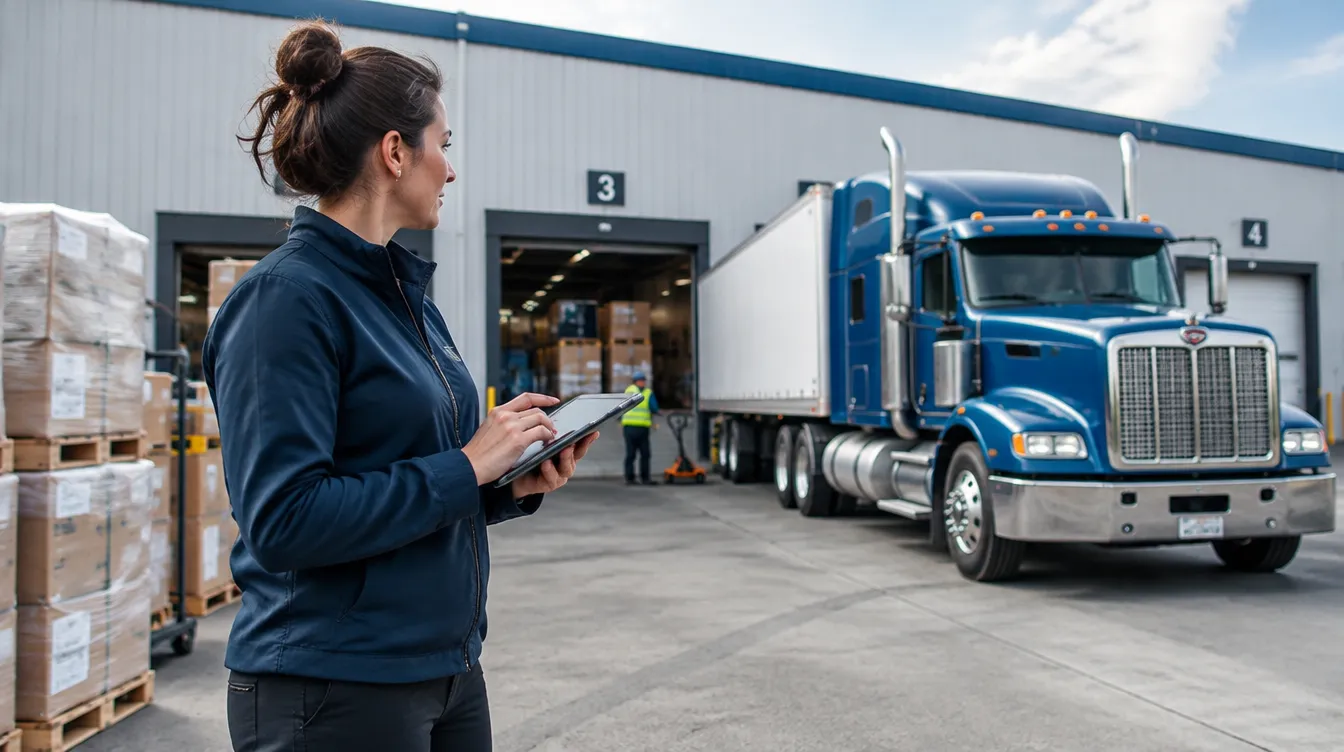
Customer-routed freight is freight whose transportation is arranged by the customer buying the goods. A manufacturer or warehouse may prepare the order and load the truck without choosing the carrier or broker that brings it.
That distinction matters in sales. A facility can be busy with trucks and still have no authority to give you the freight you are asking for. Luis’s point is to recognize a genuine qualification issue instead of trying to win an argument with the person answering the phone.
Clarify the situation without challenging the answer
Ask whether that applies to all of the location’s freight or only particular shipments. If relevant, ask whether the business arranges any inbound transportation. Keep the question short and accept the answer.
For example: “Understood. Do you arrange any inbound moves yourselves, or is that handled by your suppliers too?” That question may reveal an opportunity, but it may also confirm that this is not a useful account for your current service.
Learn about the product and the industry
Luis suggests using the conversation to understand what the facility stores or sells. That knowledge can help you research other businesses in the same supply chain that do control transportation.
Do not ask the person to hand over confidential customer information. Public product and industry research can help you identify an appropriate prospect without putting the contact in an uncomfortable position.
Record the qualification and move forward
Note who controls the freight and whether any follow-up was welcomed. If the company cannot buy the service you offer, leave the conversation professionally and spend your next sales block on a better fit.
The useful outcome is not always a quote. Sometimes it is learning quickly that you are speaking to the wrong part of the supply chain. That saves time for you and for the person who took your call.